Dental implants have become one of the most effective solutions for replacing missing teeth. With the advancement of modern dentistry, there are now multiple treatment options to suit different cases— whether the jawbone is strong, weak, or almost completely resorbed.
In this article, we will explain in a simple and clear way:
- When standard dental implants are the best choice
- When bone grafting is needed
- And when zygomatic implants become the idea solution
You will also understand the differences between each option, along with their advantages, disadvantages, and which treatment is most suitable for your condition.
First: Standard Dental Implants
What are standard dental implants?
Standard dental implants are the conventional type of implants that are placed directly inside the jawbone itself.
Their length usually ranges from 8 to 13 mm, making them suitable for most patients.
When are they the best option?
Standard dental implants are ideal when:
- There is a sufficient amount of jawbone
- The bone level is not affected by the sinus cavities
- Only one or two implants are needed
- The bone is thick and strong
Advantages
- Faster and simpler procedure
- Excellent success rate
- Lower cost compared to advanced solutions
- Very natural-looking final restoration
Disadvantages
- Not suitable if the bone volume is very limited
- Sometimes requires bone grafting to support the implant
Second: Bone Grafting
What is bone grafting?
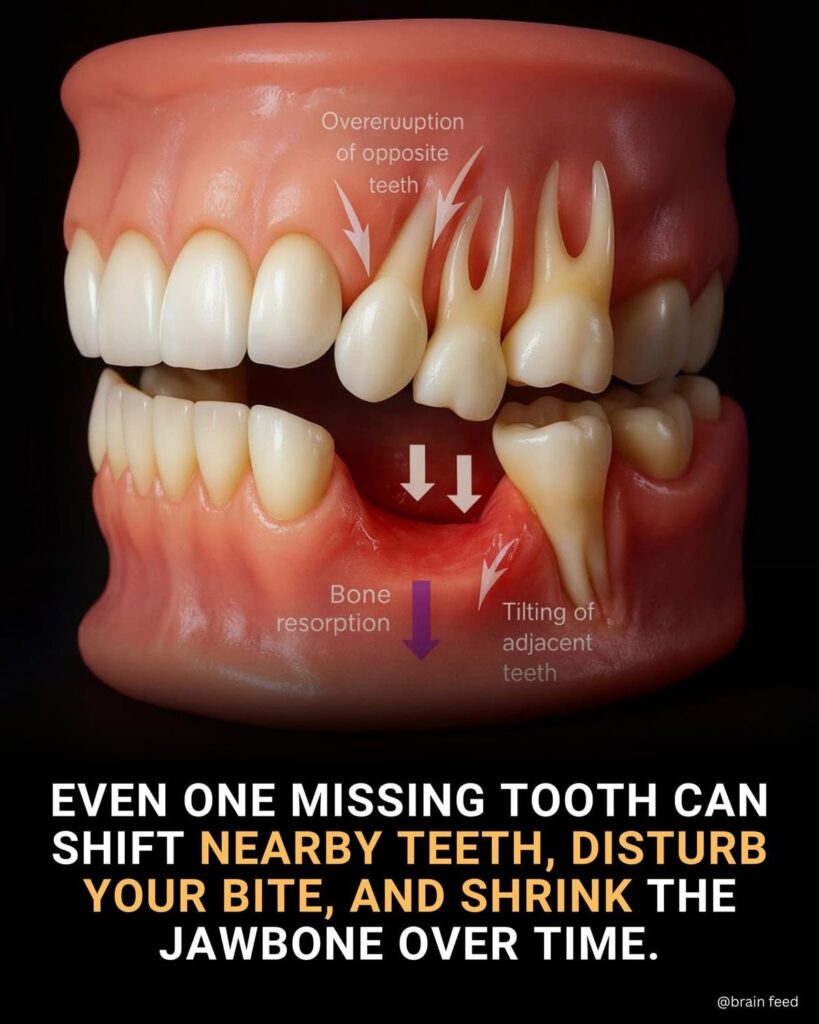
Bone grafting is a procedure in which bone material is added to areas where the jawbone is weak or insufficient.
This material helps stimulate natural bone growth and increases bone thickness and density.
Why is bone grafting needed?
Bone grafting is performed when the existing jawbone is:
- Insufficient in volume
- Resorbed due to tooth loss
- Unable to support a dental implant on its own
Advantages :
- Restores the natural shape and volume of the jawbone
- Makes standard dental implants possible
- An excellent solution for moderate bone loss
Disadvantages
- Requires a long healing period (approximately 4–9 months)
- Not effective in cases of severe bone loss
- May fail in smokers or complex medical cases
Third: Sinus Lift Procedure
What is a sinus lift?
In the posterior upper jaw, beneath the sinus cavities, the bone is sometimes insufficient.
A sinus lift is a surgical procedure in which the sinus membrane is gently elevated to create space where bone can be added, allowing for proper implant placement.
Types of sinus lift
- Closed sinus lift: A minor procedure performed at the same time as implant placement
- Open sinus lift: A more advanced procedure that requires a healing period before implant placement
Advantages :
- Solves the problem of low sinus positioning
- Facilitates the placement of standard dental implants
- Achieves excellent success rates (80–90%)
Disadvantages
- Requires time for healing
- Needs high precision and clinical expertise
- Not suitable when bone loss is extremely severe
Fourth: Zygomatic Implants
What are zygomatic implants?
Zygomatic implants are very long implants, ranging from 35 to 55 mm, that are anchored into the zygomatic bone (cheekbone) instead of the jawbone.
When are zygomatic implants used?
Zygomatic implants are recommended when:
- The jawbone is almost completely resorbed
- Previous bone grafting procedures have failed
- The patient has been wearing dentures for many years
- A fast and stable solution is required without long waiting periods
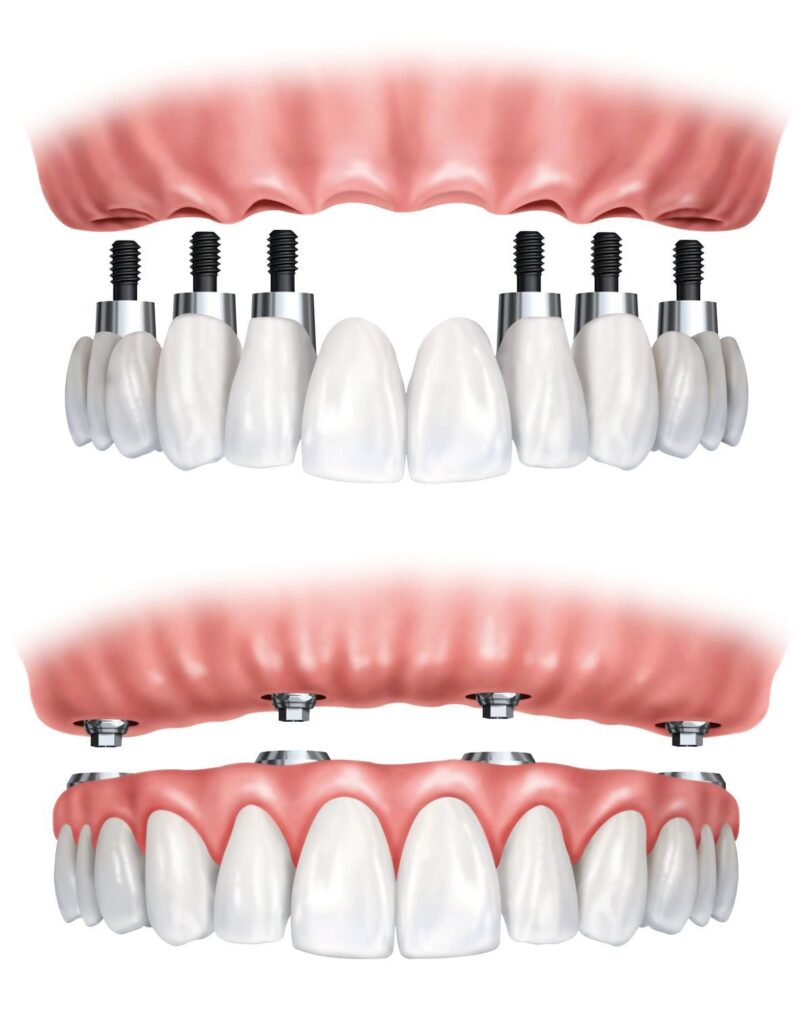
- Full-arch rehabilitation plans such as All-on-4 or Full Arch are needed in complex cases
Advantages
- A powerful solution for cases considered impossible with traditional methods
- No need for bone grafting or sinus lift procedures
- A temporary restoration can often be placed on the same day
- Extremely high stability and excellent success rates
Disadvantages
- Advanced surgical procedure requiring an experienced specialist
- Higher cost
- Suitable only for cases with severe or near-total
bone loss
How Do We Determine the Best Solution for Your Case?
Choosing the right type of dental implant is not a fixed or one-size-fits-all decision.
That is why, at Al Tarek Dental Center, we rely on a comprehensive clinical examination combined with in-house 3D CBCT imaging.
Through CBCT analysis, we carefully evaluate:
- The quantity and quality of the jawbone
- The shape and position of the sinus cavities
- Gum health
- The patient’s dental and treatment history
Book Your Consultation Today
our specialized team at Al Tarek Dental Center is ready to support you with a precise and personalized treatment plan, using the latest dental implant technologies and expertise in managing complex cases.
📞 Call now to book your consultation with our dental implant specialists.